Bad alternator signs guide

Signs of a Bad Alternator and What to Do Next
The alternator's job is to keep your battery charged and power your car's electrical systems while the engine runs. When it starts failing, the symptoms can be easy to mistake for a simple battery problem, so knowing the difference matters.
Common Warning Signs
Dimming or flickering headlights and interior lights, especially when idling or using multiple electrical accessories at once, are among the earliest signs of alternator trouble. A battery warning light on the dashboard, despite a battery that isn't actually old, often points to the alternator rather than the battery itself.
Difficulty starting the car, combined with electrical accessories behaving strangely — such as slow power windows or a radio that cuts out intermittently — suggests the alternator isn't supplying consistent power. A growling or whining noise from the engine bay can also indicate a failing alternator bearing, distinct from typical engine sounds.
A burning rubber smell is another sign worth taking seriously, since a failing alternator belt can begin to slip and overheat, producing this distinct odor.
How to Tell the Difference Between a Battery and Alternator Problem
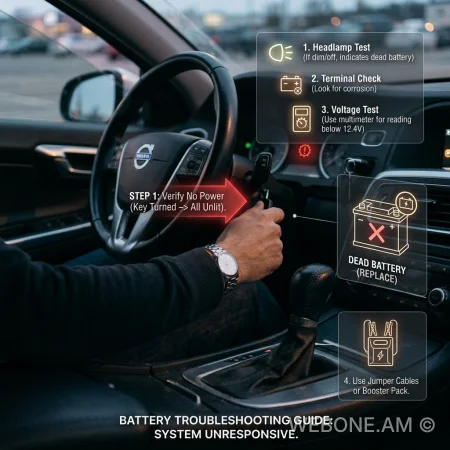
If jump-starting the car gets it running but it dies again shortly after, especially within the same drive, that pattern points more strongly toward the alternator than the battery. A battery problem alone usually means the car struggles to start but runs normally once going, whereas an alternator problem often causes symptoms to worsen the longer you drive.

What to Do If You Suspect Alternator Trouble
Many auto parts stores offer free alternator testing, which can quickly confirm whether it's charging properly. If you notice these symptoms, avoid running unnecessary electrical accessories like the radio or air conditioning until you can get the alternator tested, since this reduces strain on an already weakening charging system.
When to See a Mechanic Right Away
If your headlights are visibly dimming while driving, if the car has stalled unexpectedly, or if you notice a burning smell alongside these symptoms, it's best to have the vehicle inspected promptly rather than continuing to drive. A complete alternator failure can leave you stranded once the battery's remaining charge is depleted.
Final Thoughts
Alternator problems often masquerade as battery issues, leading some drivers to replace a perfectly good battery while the real problem persists. Paying attention to how symptoms develop over the course of a drive, rather than just at startup, can help you identify the alternator as the likely cause before you're left stranded.
This article is for general informational purposes only and does not replace a professional diagnostic inspection.