Engine overheating guide
What to Do If Your Car Is Overheating
An overheating engine is one of the more stressful roadside situations a driver can face, but responding correctly in the first few minutes can prevent serious, expensive damage.
Recognizing the Signs
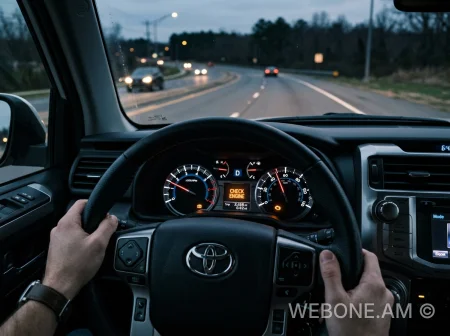
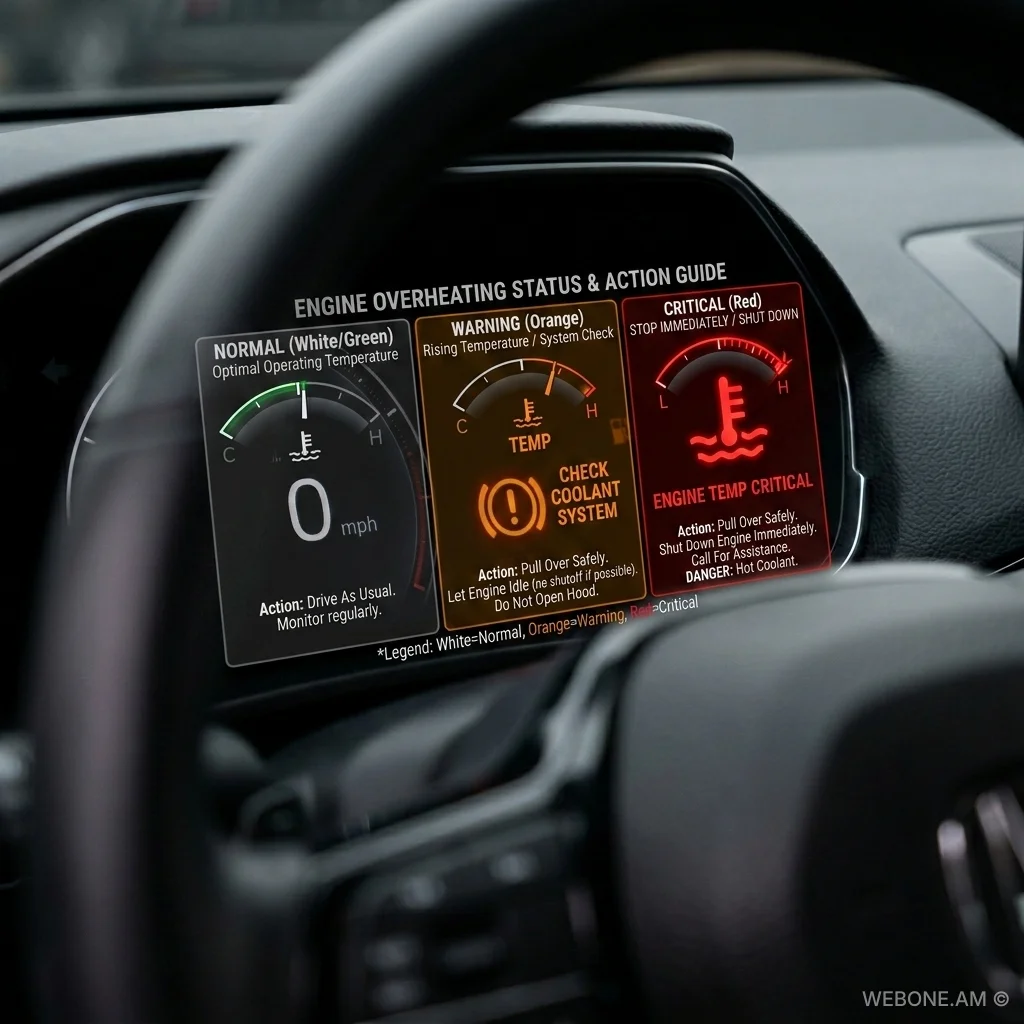
The most obvious sign is the temperature gauge climbing toward the red zone or an actual warning light appearing on the dashboard. Steam or smoke coming from under the hood, a sweet smell suggesting leaking coolant, or a sudden loss of power while driving are all additional signs that your engine is running too hot.
Immediate Steps to Take
As soon as you notice signs of overheating, turn off the air conditioning and turn on the heater instead, which sounds counterintuitive but actually helps pull heat away from the engine. Find a safe place to pull over as soon as possible, rather than continuing to drive while hoping the problem resolves itself.
Once stopped, turn off the engine and let it cool for at least 15 to 20 minutes before doing anything else. Never open the radiator cap while the engine is hot, since pressurized, scalding coolant can spray out and cause serious burns. Wait until the engine has cooled noticeably before even considering checking coolant levels.
Checking Coolant Levels Safely
Once the engine has cooled, check the coolant reservoir, which is usually a semi-transparent tank with minimum and maximum markings, without needing to open anything under pressure. If the level is low and you have coolant available, you can add some once the engine is cool, but this is a temporary measure, not a permanent fix if there's an underlying leak.
Common Causes Worth Knowing
A leaking radiator hose, a failing water pump, a stuck thermostat, or simply low coolant from a slow leak are among the most frequent causes of overheating. A blocked radiator or a failing cooling fan can also prevent proper heat dissipation, even when coolant levels are normal.
When to Call for a Tow Instead of Driving
If the temperature gauge returns to normal after cooling and topping off coolant, you may be able to drive cautiously to a nearby repair shop, watching the gauge closely the entire way. However, if the car overheats again quickly, or if you notice any burning smell or visible leaking fluid, it's safer to call for a tow rather than risk serious engine damage from continued driving.
Final Thoughts
Overheating is one of the few situations where continuing to drive, even a short distance, can turn a manageable repair into a full engine replacement. When in doubt, prioritize letting the car cool safely and getting professional help over trying to push through to your destination.
This article is for general informational purposes only. Always exercise caution around a hot engine and consult a qualified mechanic for repairs.