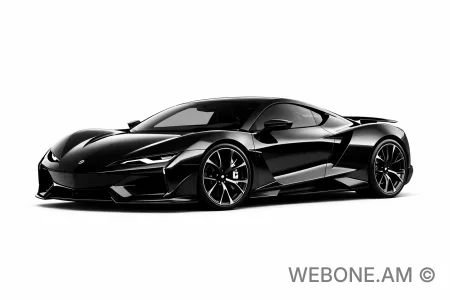
The Global EV Market in 2026: Slower Growth, Bigger Divide

Electric vehicles have moved well past the early-adopter phase, but 2026 is proving to be a more complicated year for the segment than many expected. While EVs are still gaining ground worldwide, the pace of growth is uneven, and the gap between leading and lagging markets is widening. Here's a closer look at where the global EV industry stands right now.
Global Sales Keep Climbing, But More Slowly
Electric car sales worldwide are on track to reach roughly 22-23 million units in 2026, pushing the global EV share of new car sales past the one-quarter mark for the first time. That's a meaningful milestone, but the rate of growth has cooled compared to the rapid expansion seen over the past few years, as subsidy cuts and shifting trade policies reshape demand in several major markets.
China Still Leads by a Wide Margin
China remains firmly in the driver's seat of the global EV transition. Electric vehicles now account for well over half of all new passenger car sales in the country, powered by scale, competitive pricing, and vertically integrated manufacturers like BYD. Even so, growth has slowed slightly compared to previous years, partly due to a temporary pause in the government's vehicle trade-in program.
Europe Posts the Strongest Gains Among Major Markets
Europe has emerged as the standout performer among large, mature auto markets. Electric car sales there grew by more than 30% year-over-year, pushing the EV share of new sales close to 28%, largely as a result of tighter European Union CO2 emissions standards for automakers. Smaller, more affordable EV models are also becoming more widely available across the region, a shift that regulators expect to continue.
The United States Falls Behind
The picture in North America looks very different. U.S. electric car sales have stayed close to 10% of the overall new car market, and sales actually dropped sharply toward the end of last year following the expiration of federal EV tax credits. Policy changes have played a major role here: penalties tied to fuel-efficiency standards were rolled back, credits for new and used EV purchases were terminated after September 2025, and a proposed annual fee on EV owners has added further uncertainty for buyers.
Why American Buyers Are Slower to Switch
Part of the challenge is structural. More than 85% of EV models sold in the U.S. are SUVs or other large vehicles, the highest share of any major market, which keeps average EV prices high and out of reach for many mass-market shoppers. Canada has seen a similar pullback, with its EV sales share falling from nearly 17% to 11% after a rebate program supporting EV purchases came to an end.
Charging Infrastructure Keeps Expanding
Even as sales growth cools in some regions, charging infrastructure continues to scale up worldwide. Public charging networks grew significantly in 2025, and new installations are expected to increase further this year, though at a somewhat slower pace than before. Ultra-fast charging connectors have seen especially strong growth in both Europe and the United States, and the first 1,000-volt EV models have begun to hit the market, enabling charging times under 10 minutes for some vehicles.
Battery Technology and Range Are Improving
Real-world data on EVs already on the road shows encouraging trends. Average range retention remains strong even after several years of ownership, and real-world range for new models has climbed noticeably year-over-year. The fastest-charging vehicles can now add roughly 100 miles of range in under 10 minutes, a dramatic improvement from just a few years ago. Efficiency gains within each vehicle class continue as well, even though the overall market average has drifted slightly as buyers gravitate toward larger SUVs and crossovers.
Emerging Markets Are Accelerating Quickly
While attention often focuses on China, Europe, and the U.S., some of the fastest EV growth is happening elsewhere. Countries like Vietnam have seen EV penetration exceed 40% of new car sales, driven largely by affordable domestic models. In parts of Southeast Asia and India, sales of electric two- and three-wheelers have grown dramatically, offering a lower-cost entry point to electrification in markets with high sensitivity to fuel prices.
New Players Are Entering the Field
Beyond established EV makers, new entrants continue to emerge in developing markets. In Africa, Chinese automakers have rapidly expanded their market share in recent years, though local manufacturers are beginning to respond, with at least one African automaker launching its first electric model in early 2026.
What's Next for the EV Industry
Looking ahead, affordability and policy support will likely remain the two biggest factors shaping how quickly the EV transition continues. Falling battery costs, expanding charging networks, and a widening range of model choices are working in the industry's favor, but shifting subsidies, tariffs, and regional trade tensions mean the path forward won't be identical everywhere. Longer term, forecasts still point toward electric vehicles making up more than half of global new car sales by 2035 — but as 2026 has shown, that growth is likely to come in fits and starts rather than a straight line upward.
---
*Check back regularly for more coverage of EV trends, new model launches, and the latest developments shaping the global auto industry.*